










Managing customer experience, especially during times of crisis, has become an integral part of maintaining and enhancing brand reputation. It's about building resilience, fostering resolution, and managing reputation through thoughtful engagement and strategic communication.
I'm Tisa Sinclair, Director, Social Response at AARP. My role encompasses navigating through the complexities of digital interactions, mitigating reputational risks, and ensuring our members feel valued and supported across all digital platforms.
Through this article, I'll share insights into developing and implementing effective strategies for customer experience in times of crisis, drawing from my own experiences of steering AARP through both calm and turbulent waters.
Enhancing customer experience in crisis
As we delve into the crucial topic of customer experience during crises, it's important to understand the role of resilience, resolution, and reputation management.
At AARP, we are fortunate to have access to advanced social engagement tools that utilize automation, such as bots, to handle transactional interactions. These tools are essential for managing inquiries related to membership benefits, allowing my team to focus on more complex, relational engagements.
This distinction ensures that we can dedicate our efforts to addressing significant issues, such as political commentary, strategic complaints, and any direct attacks on our digital properties.
My team's primary responsibility is to step in and assess problems that arise on our digital platforms, including social media, article comments, and community forums. We develop strategies, processes, and official responses for both members and non-members who reach out to us through these channels. Engaging and assisting our members where they are, in their preferred communication channels, is a cornerstone of our approach.
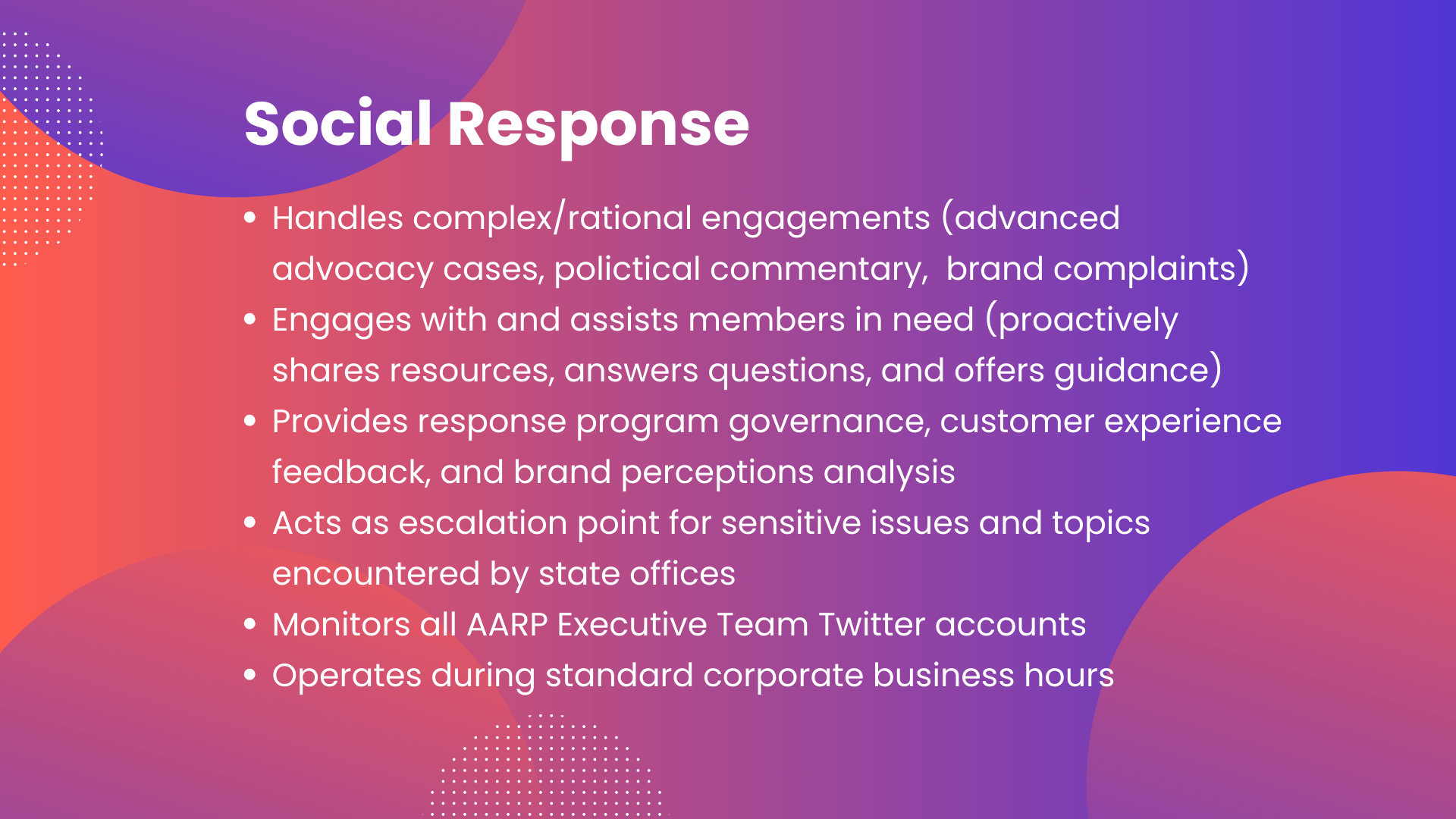
Another critical aspect of our function is response governance. We maintain a transparent communication line with stakeholders who are keen to understand the dynamics of social and digital interactions. By sharing conversational exchanges and reporting on trends, we aim to stay ahead of potential issues and optimize our strategies accordingly.
Our role extends to monitoring the social media accounts of our executive team, ensuring that any unintended messages are quickly addressed to avoid reputational damage.
While we operate during standard business hours, the nature of our work — dealing with crises and sensitive issues — demands a 24/7 commitment. My team is always on the clock, ready to respond to any situation that may arise, ensuring that AARP's reputation remains intact and our members feel supported at all times.
Managing customer experience during times of crisis requires a blend of automation for efficiency, strategic engagement for complex issues, governance for transparency, and a commitment to round-the-clock operation. These elements are fundamental to building resilience, achieving resolution, and managing reputation effectively.
Navigating the digital landscape at AARP
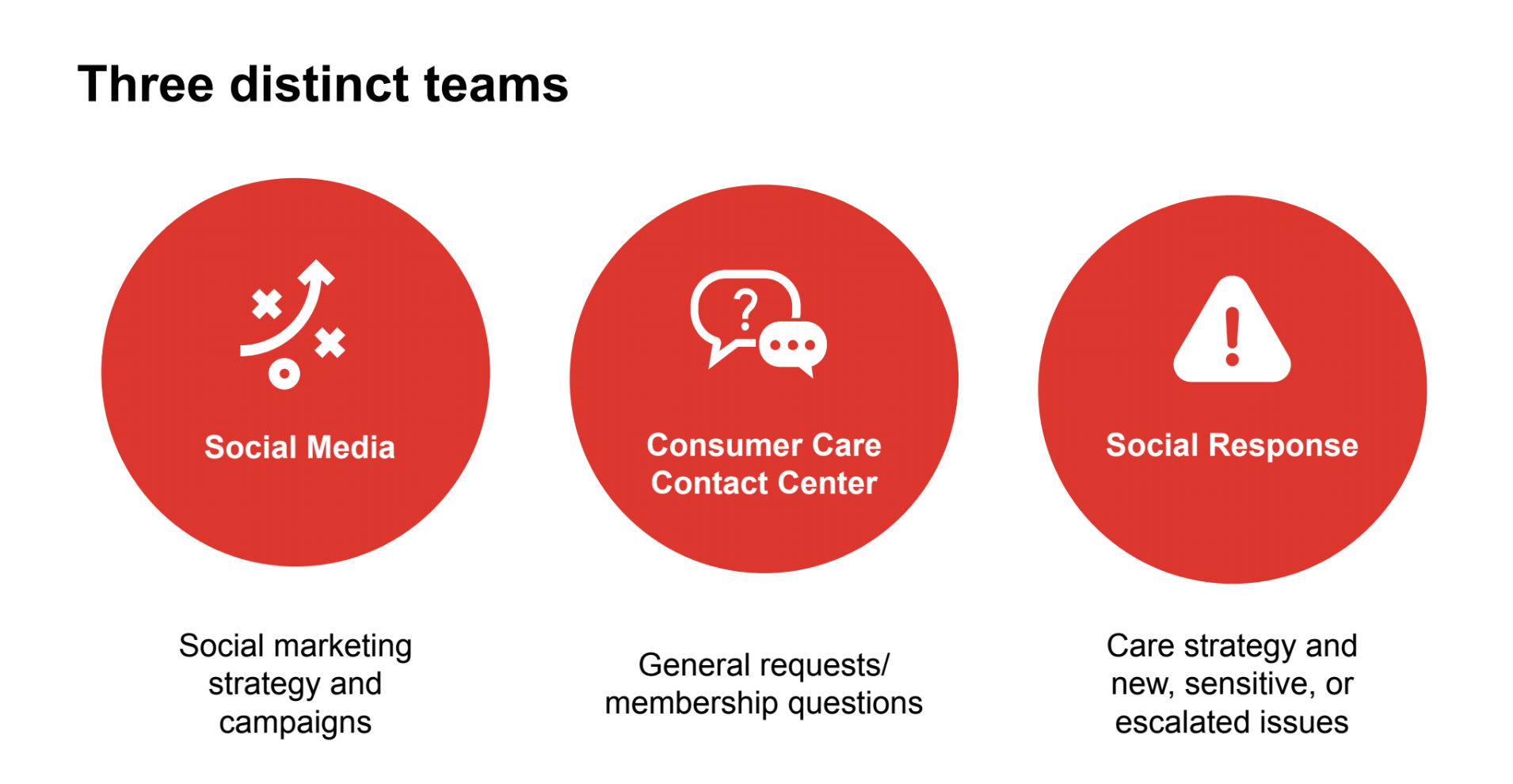
In AARP, our approach is structured around three pivotal teams, each dedicated to enhancing our members' experience through distinct channels and strategies.
Our social marketing team is at the forefront of creating the engaging and informative content you encounter on our .org page and social media platforms. They are the architects of our digital presence, meticulously planning and executing strategies and campaigns that resonate with our community.
Their work is the visual and textual representation of AARP, designed to inform, engage, and connect with our members and the wider audience.
At AARP, we cater to a unique community that values traditional modes of communication, making our contact center an essential component of our interaction with members. Despite the digital age, the telephone remains the primary method for our members to reach us, surpassing email, SMS, and social media.
This preference underscores the importance of maintaining a robust and responsive contact center to meet our members' needs and preferences.
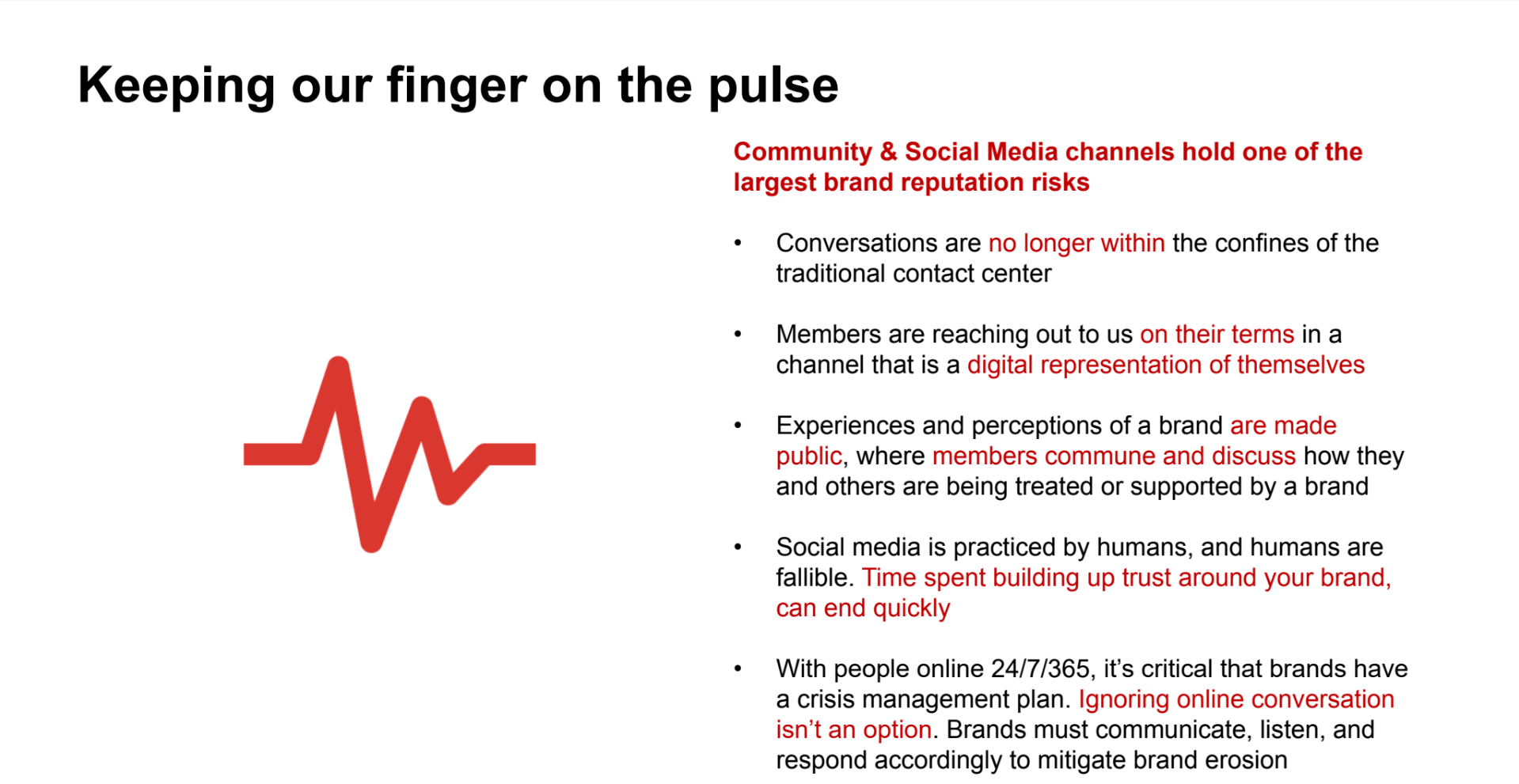
My team's focus is on managing the care strategy across our digital properties. We strive to maintain a constant awareness of the community's pulse, adapting to the evolving landscape of member interactions that have expanded beyond traditional one-on-one conversations to encompass a broader, more public domain.
The advent of social media has transformed private exchanges into public discussions, necessitating a dedicated effort to address any arising issues transparently and effectively.
The digital shift has led to a transformation in how our members choose to interact with us, opting for platforms that allow them to express themselves on their terms. This move towards digital channels like email, chat, SMS, and social media has made every interaction and perception public, challenging us to develop strategies to mitigate any potential risks to our brand's reputation.
Understanding the fluid nature of public opinion is crucial. Trust within our community, painstakingly built over months or years, can be jeopardized by a single incident. Recognizing this fragile balance, we've prioritized the creation of a comprehensive plan aimed at safeguarding our reputation against the unpredictable tides of public sentiment.
This plan is not just about crisis management; it's about maintaining the trust and confidence our members have in AARP, ensuring that we remain a reliable and respected resource in times of need.
Effective monitoring and response
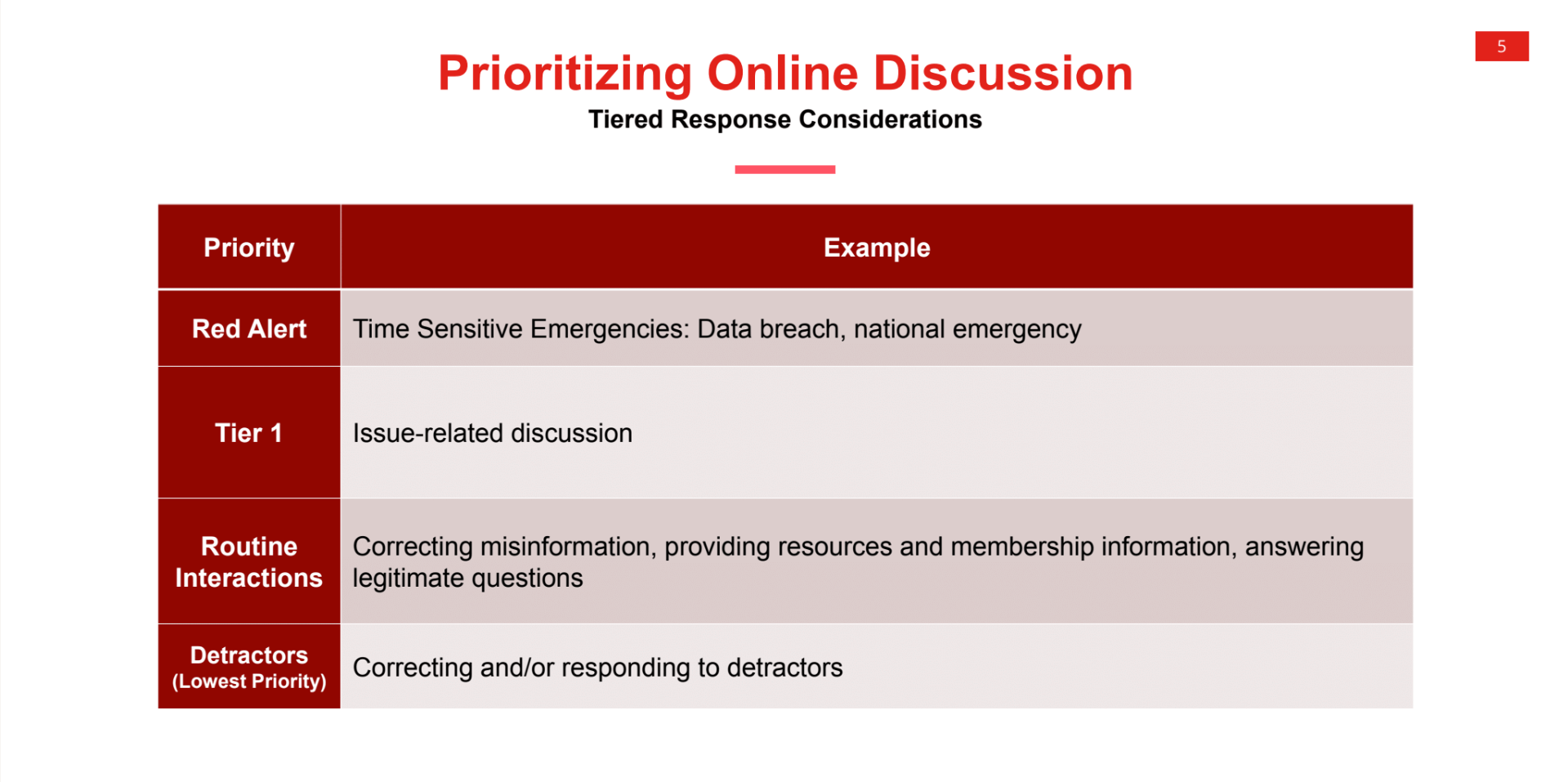
The ability to analyze, listen, and monitor online discussions is crucial. However, the true challenge lies in our capacity to respond effectively to potential threats. This has necessitated a structured approach to prioritizing online discussions, ranging from addressing detractors' concerns to managing red alerts and time-sensitive emergencies.
Our strategy begins with identifying and categorizing the nature of online interactions. At one end of the spectrum, we have detractors — individuals who may simply be seeking corrections or responding to information. At the other, we encounter red alerts: urgent, time-sensitive emergencies that require immediate and carefully crafted responses. While such instances are rare, their potential impact on our brand necessitates a robust plan to address them promptly and effectively.
The cornerstone of our approach is a comprehensive crisis management plan, designed to mitigate threats swiftly. This involves constant monitoring for any comments, questions, or complaints that may pose a risk to our brand's reputation or to the well-being of our members and staff.
These can range from accusations of sexual harassment or workplace misconduct to threats against our leadership and sensitive cultural or political issues that may impact our organization.
One of the unique challenges we face is the public's expectation for AARP to take a stance on various world, cultural, or political matters. When external events unfold, it's common for individuals to turn to us with questions about our position and actions we're taking to protect our members.
This aspect of our work is particularly delicate, as it requires balancing transparency with the need to maintain a neutral and supportive stance that aligns with our members' diverse perspectives.
Our commitment is to ensure not only the safety and well-being of our members but also to safeguard the integrity and reputation of AARP. By effectively managing online discussions and addressing potential threats with a strategic, thoughtful approach, we aim to maintain a positive, supportive environment for our community.
This commitment underscores the importance of our ongoing efforts to listen, monitor, and respond to the digital landscape, reinforcing our dedication to the members we serve.
Establishing a response protocol
In the digital age, where conversations about your brand are happening around the clock, establishing a robust response protocol is essential. At AARP, we've developed a system that allows us to triage the myriad comments and interactions we receive daily. This system is crucial for maintaining our reputation and ensuring that our community feels heard and supported.
Triage, in the context of digital communications, involves categorizing and prioritizing responses to online comments. Not every comment necessitates a reply. Some discussions between users are best left uninterrupted, especially when they involve positive or neutral exchanges about our brand. However, our team is trained to identify and escalate cases that require attention, even if a direct response is not immediately provided.
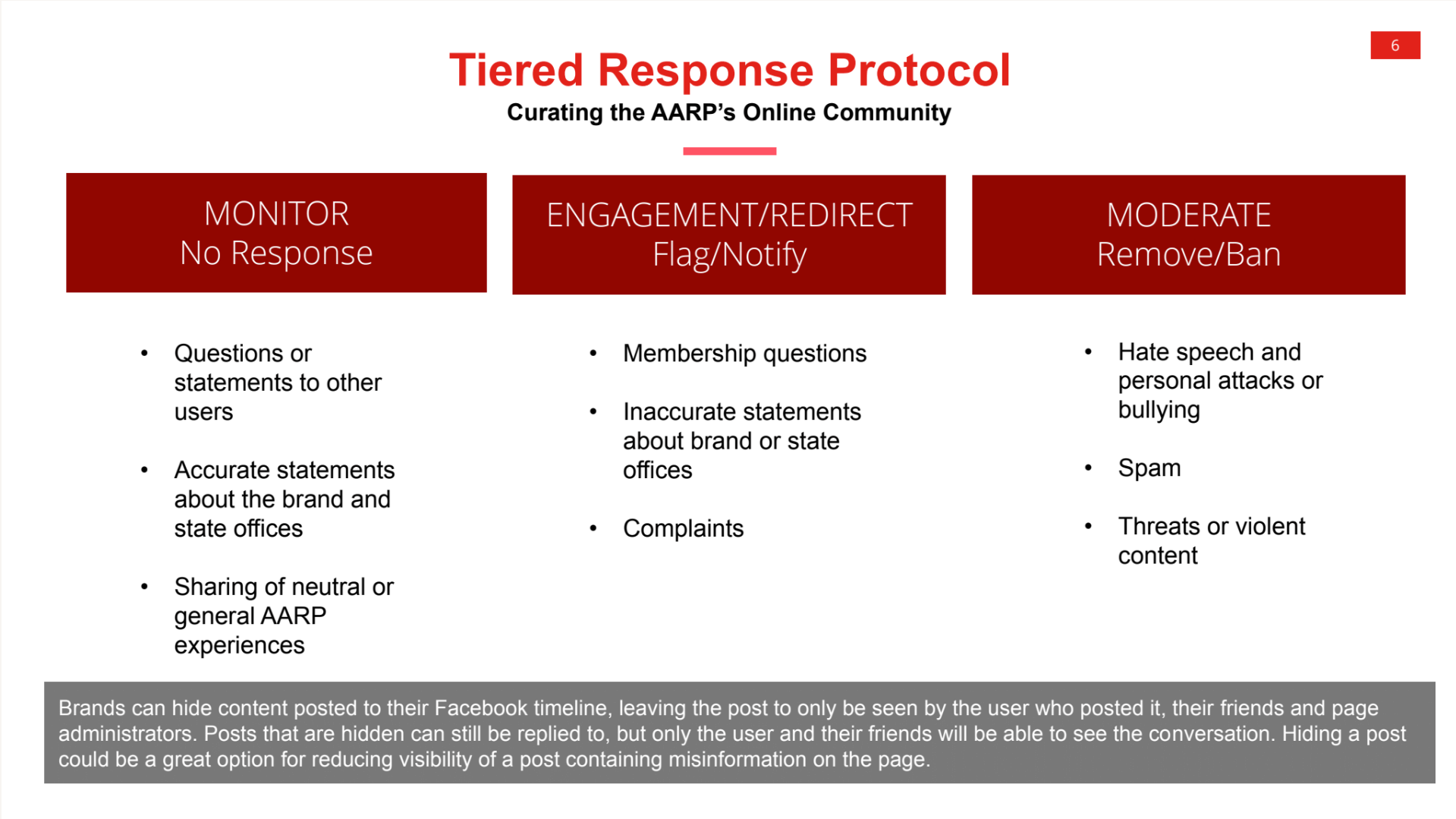
Our priority is to address comments that could impact our brand's reputation or the well-being of our members. This includes correcting misinformation, addressing accusations of partisanship, and responding to genuine inquiries and complaints. AARP's stance as a nonpartisan organization committed to advocating for the 50+ community is a message we consistently reinforce, especially in discussions surrounding legislative advocacy.
An integral part of our response protocol involves moderating comments to ensure our digital spaces remain safe and respectful. We actively hide or remove comments containing hate speech, personal attacks, violent threats, or spam. Our tools allow us to do this discreetly to prevent individuals from circumventing these safeguards by creating new accounts, a common tactic among online trolls.
Our approach recognizes that ignoring problematic interactions is not an option. With a brand and community as specific as ours, which might not be as digitally native as other demographics, a proactive crisis management plan is indispensable. This plan ensures that we're always ready to communicate, listen, and respond effectively to preserve our brand integrity and prevent erosion of trust.
The digital landscape demands constant vigilance and a strategic approach to communication. By triaging interactions, responding to critical comments, moderating discussions, and employing a crisis management strategy, we at AARP strive to protect our reputation and foster a positive online environment. This commitment to effective digital communication underscores our dedication to the members we serve, ensuring they feel valued and supported in every interaction with our brand.
Crafting a social media escalation framework
In an era where digital discussions can rapidly evolve into crises, having a structured approach to managing these interactions is crucial. At AARP, we've developed a social media escalation framework, a comprehensive guide designed to navigate the complexities of digital crises with precision and tact.
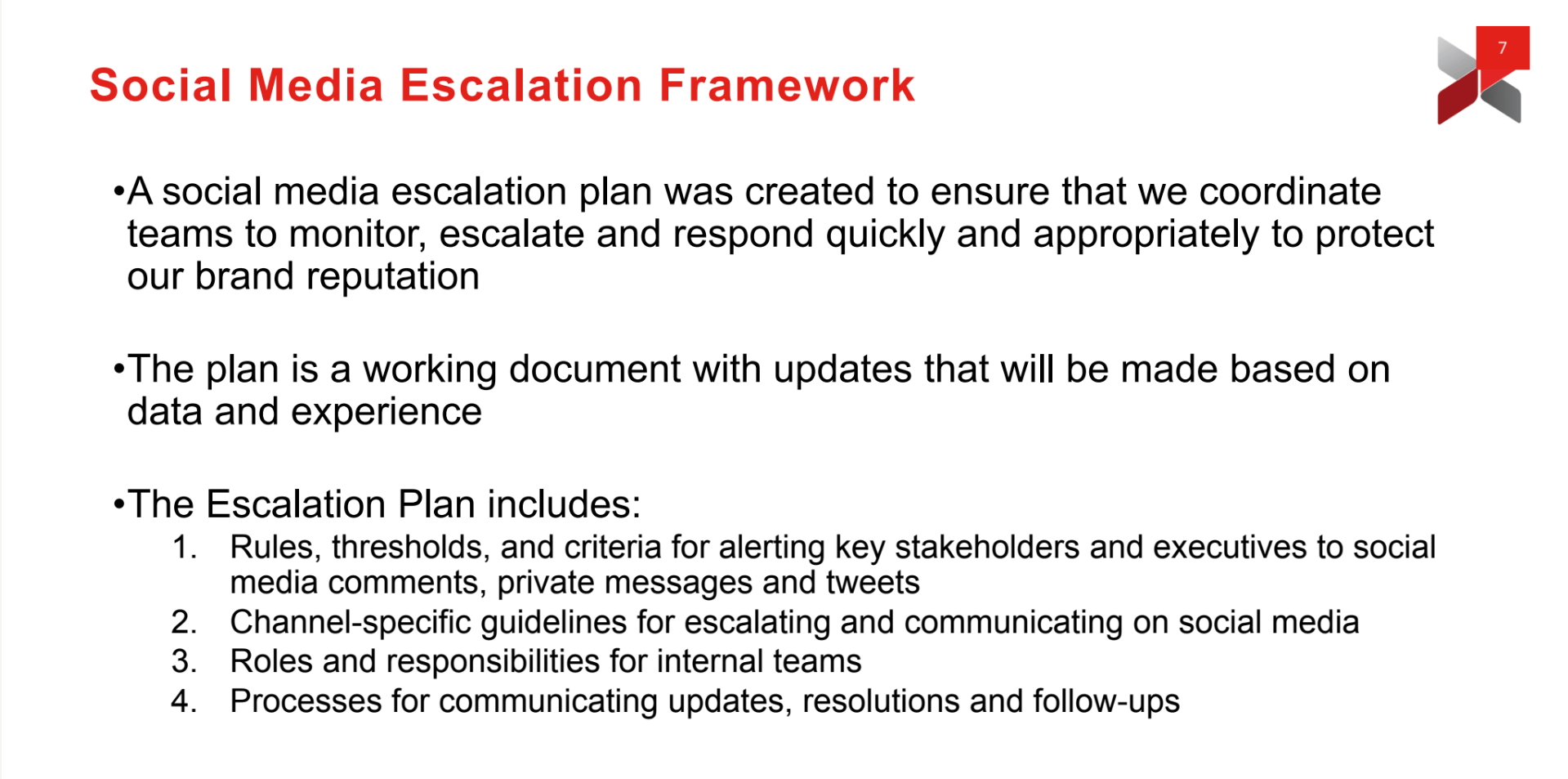
Our escalation framework is not static; it's a dynamic document that adapts and evolves. This flexibility ensures that as new scenarios emerge and as we gather insights from our experiences, we can refine our approach. The document serves as a roadmap, detailing how to manage various crisis scenarios that may arise on digital or social media platforms, requiring escalation to internal teams.
One of the key features of this framework is its anticipatory nature. It outlines specific rules and thresholds for escalation, utilizing the tools at our disposal to monitor online engagement. If a post or tweet garners significant attention within a short timeframe, our system triggers an alert to our internal escalation team. This mechanism ensures that key stakeholders and executives are promptly informed about potential issues, allowing for a swift assessment and response.
Understanding that each social media platform has its unique environment and set of rules, our framework includes channel-specific guidelines. These guidelines ensure that our responses are not only appropriate to the situation but also tailored to the norms and expectations of each platform. This tailored approach helps in effectively managing communications across diverse channels, from Twitter to Facebook, each with its distinct audience and engagement patterns.
Central to our framework is the principle of collaboration. We draw on the expertise and insights of various departments, ensuring a unified response to crises. By assigning roles and responsibilities clearly, we foster a cohesive effort across the organization, enabling us to tackle challenges more efficiently and effectively.
An integral part of our escalation framework is the process for updates, follow-ups, and feedback. This continuous loop of evaluation and refinement helps us stay ahead of the curve, ensuring that our crisis management strategies remain robust and responsive to the ever-changing digital landscape.
The development of a social media escalation framework signifies our commitment to proactive and effective crisis management. By anticipating potential issues, tailoring our approach to different channels, and fostering collaboration across departments, we aim to safeguard our brand's reputation and maintain the trust of our members. This living document is a testament to our dedication to excellence in digital communication, ensuring that we remain responsive and resilient in the face of challenges.
Defining a crisis: Our criteria for escalation
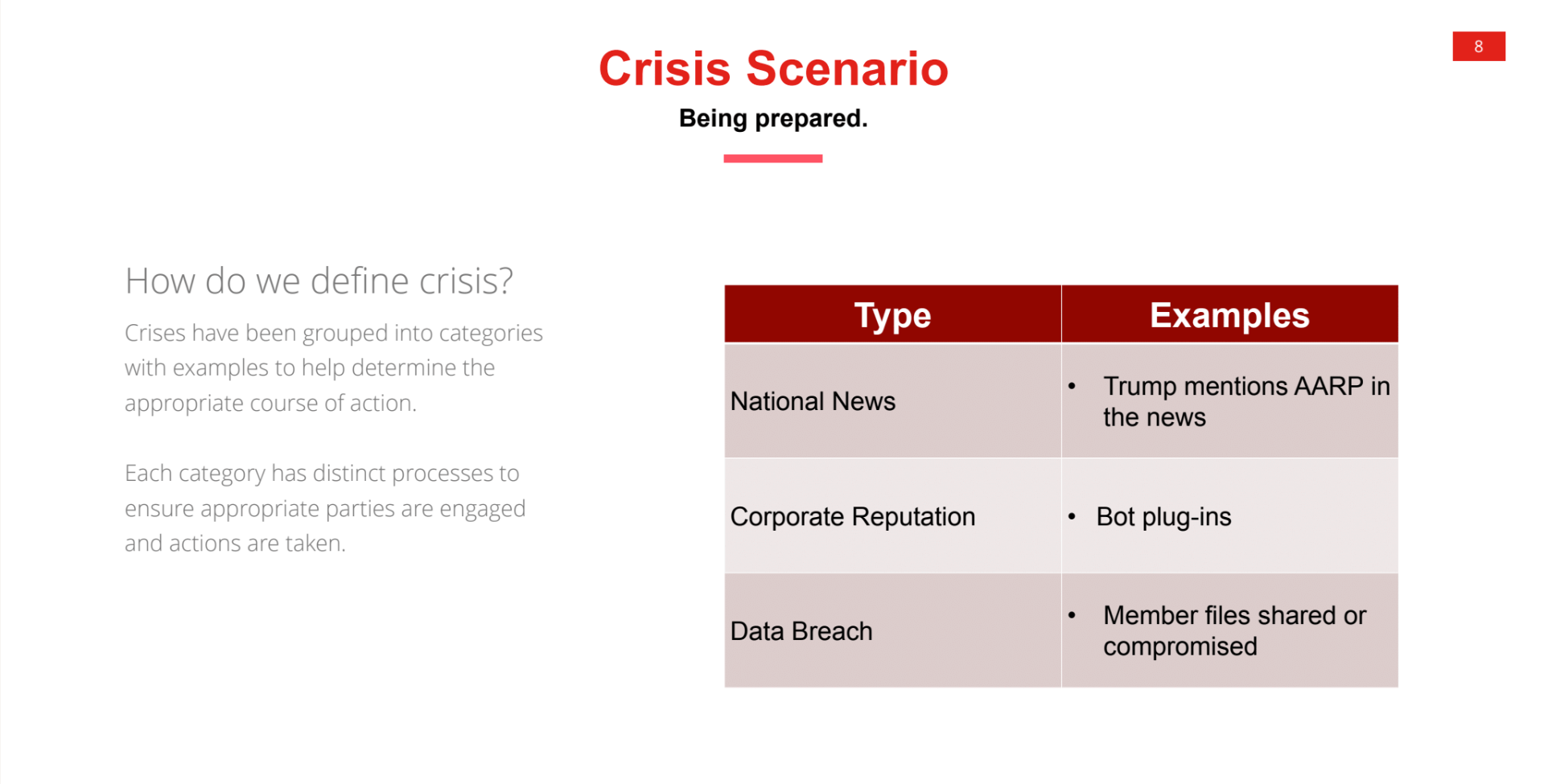
Identifying what constitutes a crisis is essential for a timely and effective response. At AARP, we have established clear criteria to determine when a situation escalates to a crisis level, necessitating the implementation of our crisis management plan. This determination is guided by a series of questions designed to evaluate the potential impact of a concern or complaint on our organization and its members.
Criteria for identifying a crisis
- Negative media attention: Does the issue have the potential to attract negative attention from the media, thereby affecting our public image?
- Member or public outcry: Is there a significant concern or outcry from our members or the general public that could undermine trust in our organization?
- Attention from activist groups: Has the situation caught the attention of activist groups, potentially leading to increased scrutiny or action against AARP?
- Social media uproar: Does the issue risk causing a widespread uproar on social media, including threats of a boycott or similar actions that could harm our reputation?
- Law enforcement involvement: Is there a need for law enforcement or regulatory notification and action, indicating the severity of the situation?
- Legal implications: Does the crisis carry the potential for legal action against the organization, necessitating a legal response?
- Impact on partners and providers: Could the situation draw our partners or providers into the issue, thereby affecting our relationships and operations?
Each potential crisis is evaluated and prioritized based on several factors, including its impact on our reputation, the urgency of news coverage, and any potential data breaches. This prioritization helps us to focus our resources and response efforts on the most critical issues first, ensuring that we address them with the appropriate level of seriousness and attention.
Understanding the multifaceted nature of crises in the digital age, we approach each situation with a comprehensive strategy, aiming to mitigate any negative impacts. Whether it's dealing with negative media attention, member concerns, legal issues, or repercussions on our partnerships, our crisis management plan is designed to navigate these challenges effectively.
Our commitment to safeguarding our reputation and maintaining the trust of our members guides every decision we make in the face of potential crises. By establishing clear criteria for what constitutes a crisis and prioritizing our response efforts accordingly, we ensure that AARP remains resilient and responsive in any situation.
Crafting response strategies
In the journey of building our social media escalation framework, we've encountered various crises that have shaped our approach and response strategies. Reflecting on these experiences, from significant societal events to tragic incidents, has been instrumental in refining our framework for managing digital crises effectively.
Some of the pivotal events that prompted the development of our response strategies include the insurrection at the Capitol in 2021, school shootings, the repeal of Roe v. Wade, and public mass shootings. These incidents underscored the need for a nuanced and sensitive approach to our digital presence during times of national or global crisis.
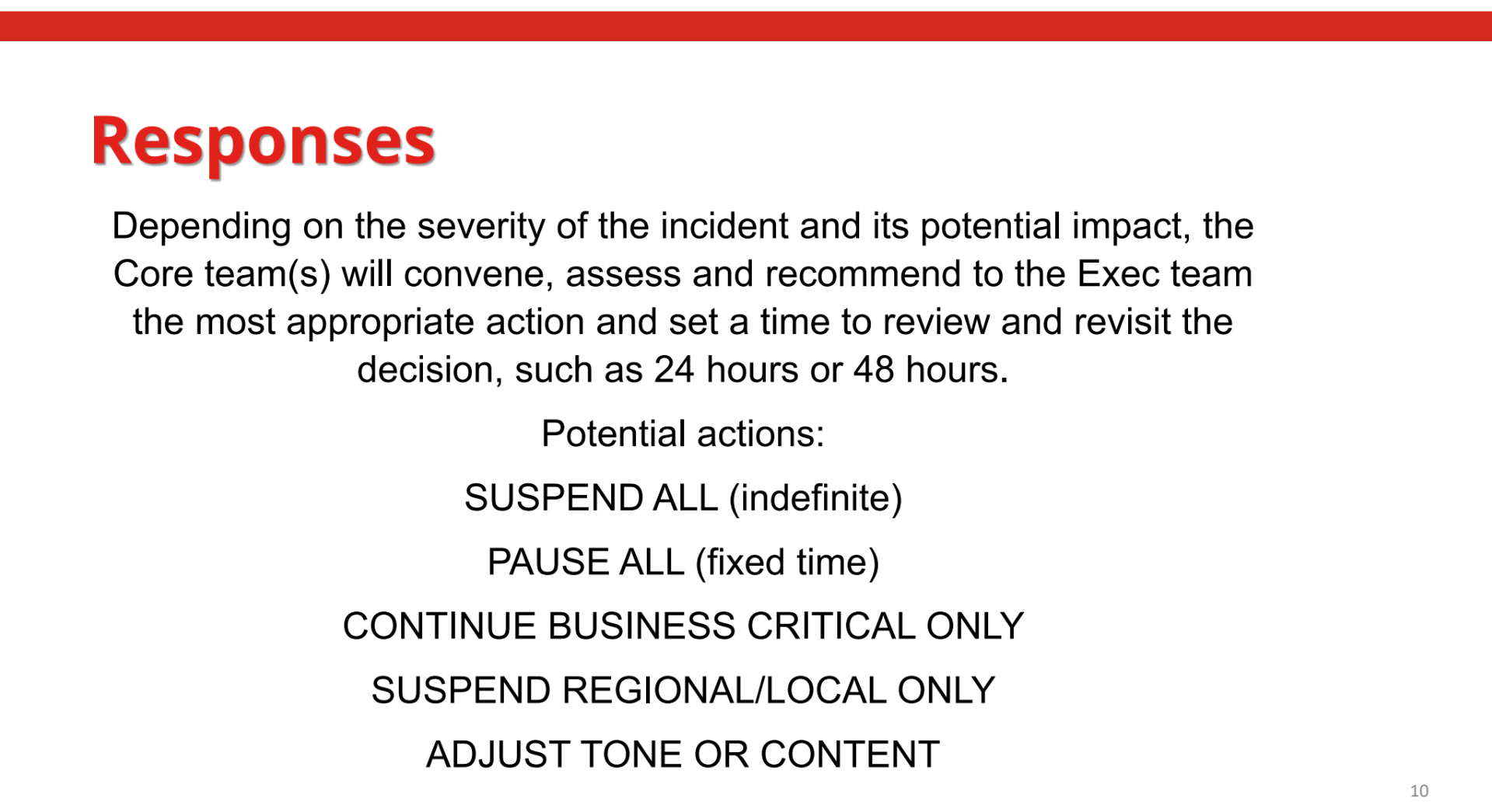
Our response to a crisis begins with a rapid assessment by our team, followed by recommendations to the executive team. We emphasize swift action, typically within 24 to 48 hours, to ensure our response is timely and impactful. This may involve suspending campaigns or content that could be perceived as insensitive in light of current events.
Our strategies include:
- Suspending campaigns: Although we have yet to take this step, we remain prepared to halt specific campaigns or content if the situation demands.
- Pausing content: In response to major national news, we may pause content across our properties to honor the gravity of the situation.
- Business critical content: We continue posting essential content, such as membership information, while avoiding anything that might seem frivolous or insensitive.
- Regional sensitivity: Given our presence across 53 state properties, we tailor our response to regional events, recognizing that an incident in one state may not impact another.
- Tone adjustment: Without pausing or suspending content, we sometimes adjust the tone of our messaging to align with the national mood, especially during times of mourning or crisis.
An important aspect of our strategy is deciding whether to respond publicly or privately to certain issues. Direct messages or private responses are often used to address concerns without escalating the situation further. This approach helps us manage sensitive issues discreetly, avoiding any potential for reigniting controversies.
Our experience with past crises has been a critical learning curve, informing our strategies and actions in managing digital crises. By adapting our content, engaging with sensitivity, and choosing the appropriate channels for response, we aim to navigate these challenges with compassion and respect for our members and the broader community.
Our goal is to defuse tensions, not exacerbate them, ensuring that AARP remains a supportive and understanding presence in the digital landscape.
Fostering a proactive and positive brand environment
Fostering a positive environment and building a healthy community around a brand is more crucial than ever. At AARP, we recognize the power of proactivity in shaping perceptions and interactions within our digital spaces. Here’s how we approach this vital aspect of our digital strategy.
One of our key strategies involves nurturing a network of brand ambassadors — our cheerleaders. These individuals, long-standing AARP advocates or volunteers, play a pivotal role in maintaining a positive dialogue around our brand.
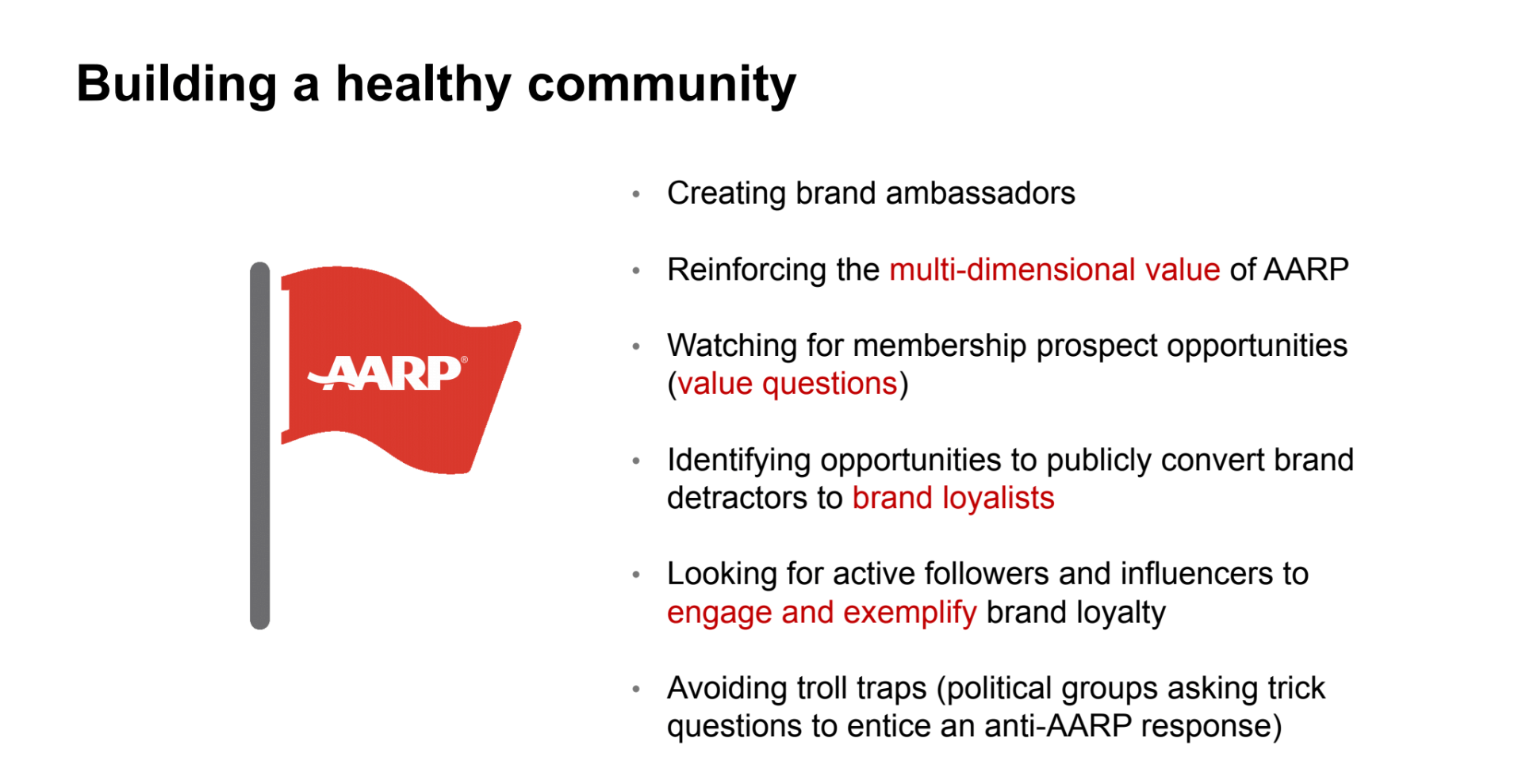
Their enthusiasm and proactive support on social media significantly amplify our efforts, often stepping in to defend the brand, answer questions, and correct misinformation before our team even responds. This grassroots support is invaluable in reinforcing the positive impact and value of AARP.
At the heart of our strategy is relationship building. We actively encourage our agents to engage with members and ambassadors alike, expressing gratitude and encouragement. This interaction not only reinforces the multifaceted value of our organization but also fosters a sense of belonging and loyalty. By publicly acknowledging and interacting with our community, we demonstrate our commitment to meaningful and supportive engagement.
An interesting phenomenon we’ve observed — and actively pursue — is the transformation of detractors into loyalists. Through diligent efforts to correct misinformation and address concerns, we often convert critics into some of our most vocal supporters. This process exemplifies the transformative power of attentive and responsive community management.
Another facet of our proactive strategy is identifying and engaging with active followers and influencers who can further amplify our brand loyalty. These individuals help extend our reach and reinforce the positive messages about our brand, expanding our influence and attracting new members to our community.
A significant challenge in digital community management is navigating the presence of trolls. Our team has become adept at identifying and avoiding these traps, focusing on removing disruptive elements to preserve the positive atmosphere of our online spaces. By doing so, we ensure that our digital platforms remain welcoming and constructive environments for genuine engagement.
Being proactive in fostering a positive brand environment is not just about managing crises or responding to negative feedback; it’s about building a robust community that actively supports and promotes the brand. At AARP, our approach to creating brand ambassadors, engaging with our community, transforming detractors, and managing online interactions reflects our commitment to a proactive and positive digital presence.
This strategy not only enhances our reputation but also strengthens the bonds within our community, ensuring that AARP remains a trusted and valued resource for our members.


Become a CSC Insider
Thank you for subscribing
Get exclusive insights, frameworks, and strategies from customer success leaders driving real business impact.
An email has been successfully sent to confirm your subscription.
 Follow us on LinkedIn




Start the conversation
Become a member of Product Marketing Alliance to start commenting.
Sign up now